
Functional Medicine
Restoring your well-being so you can live your most vibrant, purposeful life.
Restore your Body • Reignite Your Mind • Recharge your Souls • Rise to the Occasion
Welcome to SNS Health and Wellness Center
It's Time to Elevate Your Health and Transform Your Life
At Functional Wellness Rising, restoring balance to your overall health and wellness is our mission. Embark on a personalized journey with us to achieve optimal health and vitality by blending the best of traditional care with holistic approaches. Every step is designed specifically to meet your individual needs.

Get Ready to Take Control Of Your Health
Symptoms commonly address:
Brain fog
Hormonal Imbalance
Bloating or Gas
Stubborn Weight Gain
Persistent Fatigue
Constipation / Diarrhea
Mood Swings, Stress, or Irritability
Food Intolerances or Sensitivities
It's time to feel confident and happy with your health and we can help!
Our Signature System
The H.A.P.P.Y Path™ to Gut Freedom


Hear Your Story
We start by listening to your symptoms, history, lifestyle, and goals to understand your full gut story.


Assess Deeper with Labs
We use advanced labs to uncover hidden gut issues, food sensitivities, and hormonal imbalances.


Personalize Your Plan
No one-size-fits-all plans. Just personalized care tailored to your body, lifestyle, and health goals for lasting healing.

Partner through Progress
This is a hands-on journey. Through 1:1 check-ins, support, and guidance, we stay connected and help you move forward every step of the way.


Your Transformation Begins
Say goodbye to bloating and fatigue, and hello to energy, clarity, and confidence, starting with your gut.
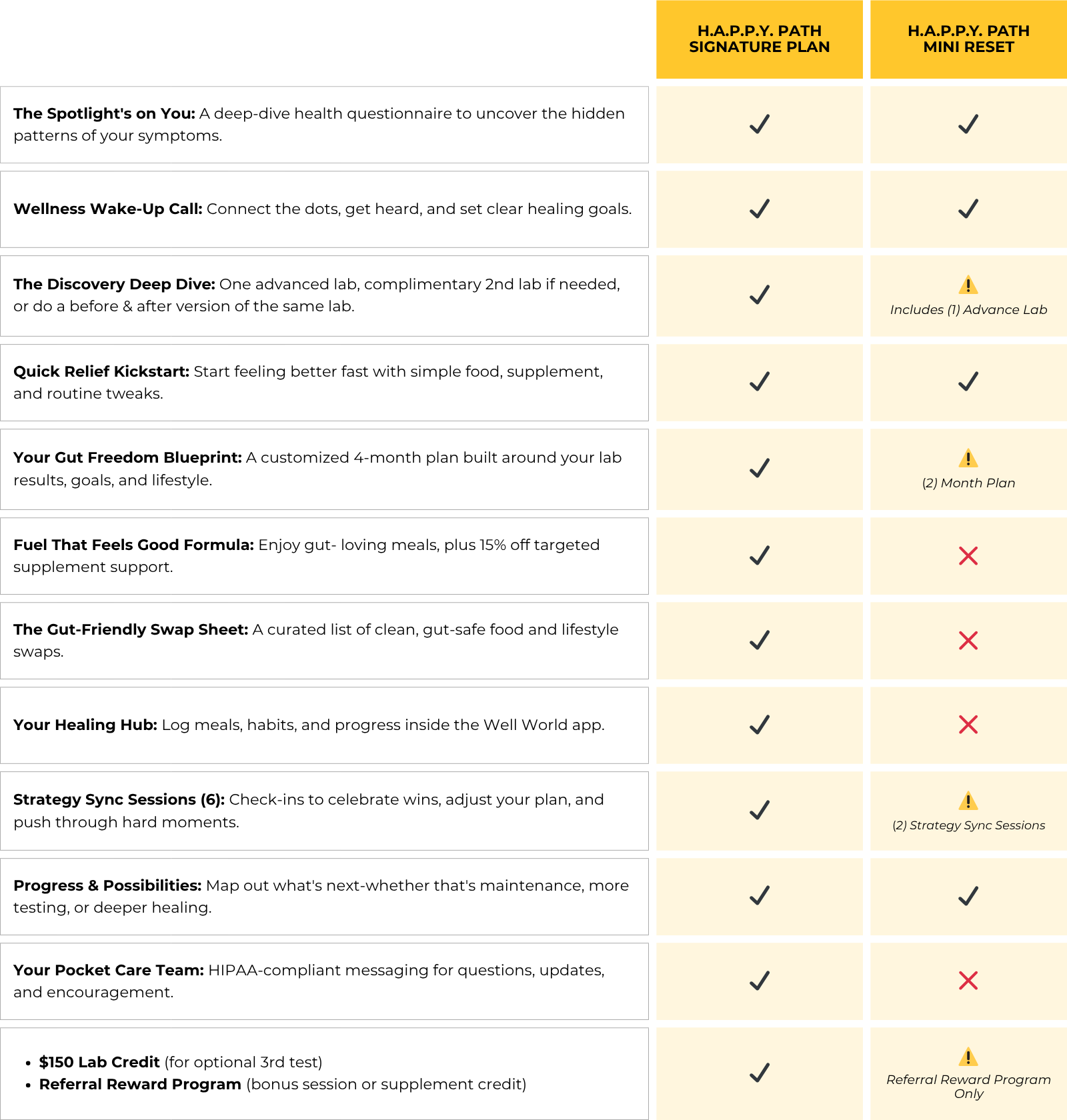
Which H.A.P.P.Y. Path is Right for You?
Symptoms We Address
Areas of Expertise
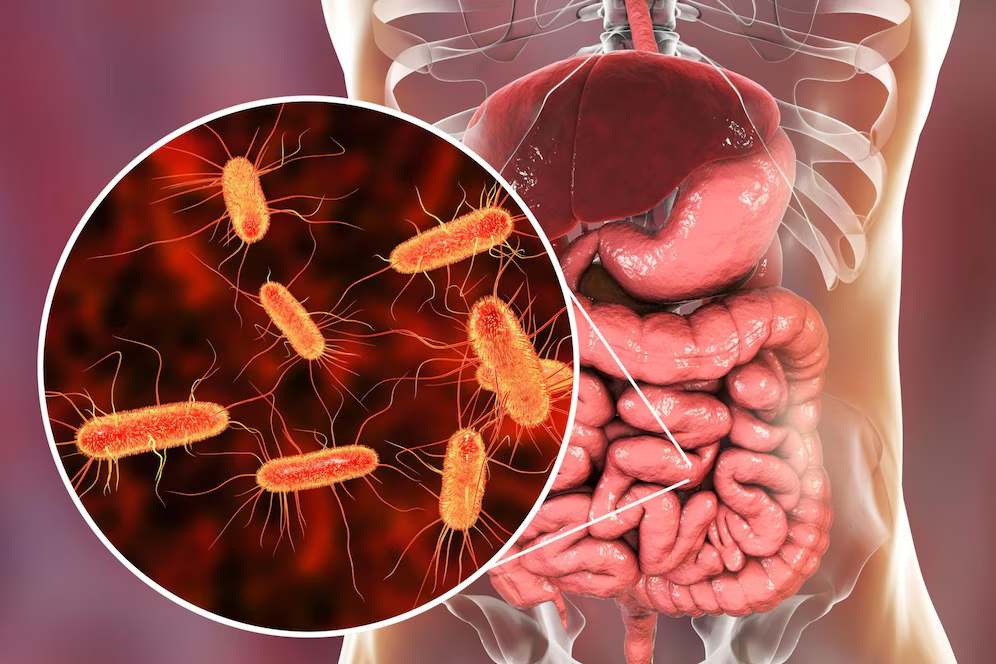
SIBO

Leaky Gut

IBD
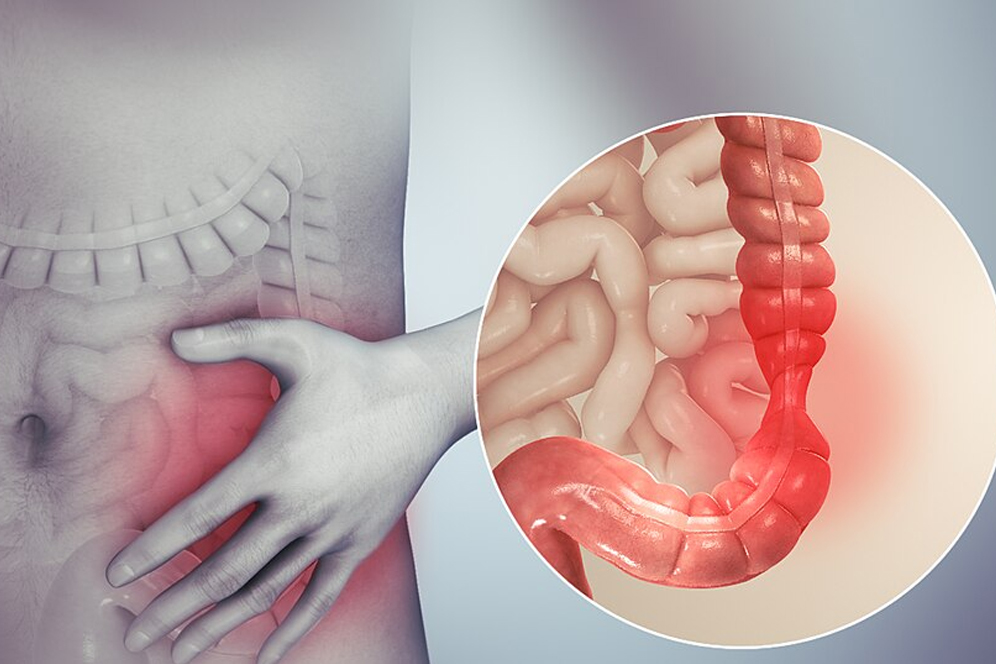
IBS

Hi!
I’m Samuel Louissaint
A board-certified Nurse Practitioner, Medical Examiner, and Functional Medicine Provider. I help women turn gut struggles into lasting, vibrant health.
If you’ve been eating clean, taking supplements, and doing all the “right” things but still feel bloated, constipated, exhausted, or just not yourself, you’re not alone. These symptoms aren’t random. They’re your body’s way of asking for deeper support.
My approach helps uncover the root causes behind those persistent issues so you can stop guessing and finally start healing in a way that lasts.
Join Our Community
Have a Question? Let's Connect
Whether you're curious about services or just need guidance on where to start, I'm here to help. Reach out and let’s talk.
Book a 20-min Clarity Call
Ready to uncover what’s been holding you back? In this free call, we’ll explore your biggest health concerns and map out your next best step, no pressure, Our call is the Clarity Call.
Why Choose Us?
We strive to connect natural healing practices with contemporary scientific knowledge, creating a synergy that enhances wellness and supports holistic health

Personalized Care Tailored to You
We recognize that every individual is unique. By delving deep into your health history, lifestyle, and specific concerns, we craft a wellness plan that's exclusively yours. This personalized approach ensures that your journey to health is as unique as you are.

Advanced Diagnostics for Root Cause Resolution
Utilizing state-of-the-art functional lab testing, we go beyond surface symptoms to uncover the underlying causes of your health challenges. This thorough analysis allows us to address issues at their source, leading to more effective and lasting solutions.

Empowering Partnership in Your Health Journey
We believe in a collaborative approach to wellness. By fostering a supportive partnership, we empower you with the knowledge and tools needed to take charge of your health. Together, we'll navigate the path to optimal well-being, celebrating every milestone along the way.
Blog

Simple Steps to Reduce Bloat, Cravings, and Sluggish Digestion After the Holidays
Many people come out of the holiday season feeling heavier, more bloated, more tired, and much hungrier than usual. Patients often tell us, “I feel like my digestion just shut down,” or “I can’t stop craving sugar.” And that makes perfect sense. Holiday habits can disrupt almost every system involved in digestion and metabolism.
The good news is that once you understand why this happens, it becomes much easier to get things back on track. You don’t need an extreme cleanse or a restrictive detox. Most of the time, the goal is simply to support the body’s natural rhythms again.
Why the Holidays Wreak Havoc on Your Digestion, Hormones, and Metabolism
1. Blood sugar swings confuse hunger and fullness signals
Lots of sugar, grazing throughout the day, big dinners and alcohol can cause blood sugar spikes and crashes. When this happens repeatedly, hunger-related hormones like ghrelin and leptin stop communicating clearly.
That means:
You feel hungry more often.
You crave quick-energy foods like sugar or carbs.
You never quite feel satisfied, even after eating.
This imbalance alone can explain a big portion of post-holiday cravings.
2. Cortisol rises and slows digestion
Holiday stress, travel, disrupted sleep and alcohol all impact your stress hormone cortisol. High cortisol slows stomach emptying and intestinal motility, which makes food sit longer and ferment. This often shows up as bloating, gas, constipation or that “brick in the stomach” feeling.
Cortisol also increases cravings for calorie-dense comfort foods, so it becomes a double hit.
3. The gut microbiome shifts
The microbiome responds quickly to what you eat. A few weeks of holiday meals can:
Feed gas-producing bacteria
Reduce beneficial species that help regulate inflammation
Decrease short-chain fatty acid production, which influences cravings and metabolism
A more imbalanced microbiome can also impact mood and energy, which many people notice in January.
4. Digestive enzymes and stomach acid often drop
Large meals, alcohol and richer foods can temporarily reduce stomach acid and pancreatic enzyme production. When food is not fully broken down, fermentation increases and bloating follows. This is especially true for people who already have mild enzyme insufficiency or slower motility.
5. Liver detoxification can get overloaded
Alcohol, sugar and increased inflammatory foods put more pressure on the liver. When detox pathways become overwhelmed, you may feel puffy, sluggish or fatigued. Supporting liver function helps, but the key is bringing input and output back into balance.
What’s Actually Going On Inside Your Body
Here’s a quick summary in plain language.
Hormones
Cortisol goes up.
Insulin spikes more easily.
Ghrelin rises, so you feel hungrier.
Leptin signaling weakens, so you feel less full.
This is why cravings feel stronger after the holidays.
Gut Function
Motility slows.
Food sits longer and ferments.
Constipation becomes more common.
Bloating and gas increase.
Microbiome
More sugar-loving microbes flourish.
Beneficial species decrease.
Inflammation in the gut rises.
Detox and Energy
The liver has more to process.
Inflammation increases.
Fatigue and brain fog are more noticeable.
Steps to Reduce Bloat, Cravings, and Sluggish Digestion
These strategies help reset hormones, digestion, and metabolism without extremes.
1. Reset your meal timing
Going back to a predictable meal schedule is one of the most powerful ways to stabilize hormones. Eating at consistent times helps regulate insulin and cortisol, which naturally lowers cravings and supports smoother digestion.
Try to avoid late-night eating for a while. Motility slows dramatically in the evening, and nighttime eating directly increases bloating and next-day hunger.
2. Strengthen digestive capacity
Simple habits make a big difference:
Take a few deep breaths before eating to shift out of stress mode.
Chew more thoroughly than you think you need to.
Drink most fluids away from meals.
Eat without multitasking whenever possible.
For people with ongoing fullness after meals, functional stool testing or checking pancreatic elastase can help determine whether enzyme support might help.
3. Nourish the microbiome gradually
Instead of jumping into a high-fiber overhaul, add gut-friendly foods slowly. A sudden fiber increase often makes bloating worse, especially after a low-fiber season.
Aim for small, steady additions like:
A serving of cooked vegetables with lunch
A spoonful of chia or ground flax
A small amount of fermented foods if tolerated
Research from 2024 and 2025 shows that increasing fiber diversity, even in moderate amounts, can shift the microbiome and reduce cravings.
4. Balance blood sugar
This is one of the fastest ways to improve cravings and energy.
Easy ways to do this:
Eat protein with breakfast.
Pair carbohydrates with protein, fat or fiber.
Add a short walk after meals to improve glucose clearance.
Even a 10 minute walk can noticeably reduce bloating by stimulating motility.
5. Reestablish a healthy cortisol rhythm
Most people underestimate how much stress and poor sleep disrupt digestion.
Helpful resets include:
Morning sunlight exposure
Limiting screens before bed
A consistent bedtime and wake time
Relaxation practices such as breathwork or stretching
When cortisol normalizes, digestion improves and cravings decrease.
6. Increase hydration to improve motility
Dehydration is extremely common after the holidays. Drinking more water helps stool move more easily, reduces bloating and improves detoxification. Slight increases spread throughout the day work better than chugging large amounts at once.
7. Support your liver with targeted nutrition
You do not need an extreme detox. Your liver already knows how to do its job. What it needs is support, especially after an intense season.
Focus on:
Cruciferous vegetables
Adequate protein
Antioxidant-rich foods
Hydration and consistent meals
This helps the liver rebalance its phase I and II detox pathways.
8. Use functional testing if symptoms continue
If bloating or cravings persist beyond a few weeks, deeper insights may be needed.
Useful tests include:
Comprehensive stool analysis
Organic acids testing
Cortisol rhythm (HPA axis) evaluation
Fasting insulin and HOMA IR
Food sensitivity testing if needed
Testing ensures patients get targeted care instead of generalized suggestions.
Once you understand what is happening with hormones, gut motility, microbiome diversity, and detox pathways, you can make simple changes that help your body reset. And if symptoms persist, we can help you with functional testing to uncover deeper causes that deserve attention.
References
Carlson, J. L., Erickson, J. W., Lloyd, B. B., & Slavin, J. L. (2018). Health effects and sources of prebiotic dietary fiber. Nutrients, 10(11), 1610.
Holscher, H. D. (2017). Dietary fiber and prebiotics and the gastrointestinal microbiota. Nutrients, 9(9), 1253.
Paukkonen, I., et al. (2024). The impact of intermittent fasting on gut microbiota. Journal of Metabolic Health, 18, 221 239.
Park, S., et al. (2025). Advanced understanding of dietary fiber with omics. Food Science and Biotechnology Horizons, 5(1), e13.
Leung, C., Rivera, L., Furness, J. B., & Angus, P. W. (2016). The role of the gut microbiota in NAFLD. Nature Reviews Gastroenterology and Hepatology, 13, 412 425.
Jakubowicz, D., et al. (2015). Influence of meal timing on hunger hormones and metabolic regulation. Obesity, 23(11), 2332 2340.

FAQs
Frequently Asked Questions
What happens during the 20 Minute Clarity Call?
Very simple. A licensed practitioner will ask you some questions, do a quick health history, and determine if you're a case they can accept. If they think they can help they'll give you the package options available and work to find a personalized health plan to fit your unique needs.
Is Functional Medicine Safe?
ABSOLUTELY! Functional medicine is a safe and natural way of dealing with the root cause of health challenges, focusing on lifestyle changes, stress management, natural remedies and supplementation that is tailored to your personal situation. There are very few conventional practitioners that will do objective functional testing and work towards finding the ROOT CAUSE of the health challenge. Most providers simply give a medicine / chemical cover up.
Is functional medicine evidence-based?
Functional medicine draws on both traditional medical knowledge and emerging research. While it may incorporate alternative therapies, the approach is rooted in scientific evidence. Practitioners stay updated on the latest research to provide the best possible care.
How does functional medicine diagnose health issues?
Functional medicine uses a combination of comprehensive medical history, advanced laboratory testing, and in-depth patient interviews to understand the underlying factors contributing to health problems. This approach helps in creating personalized treatment plans.
How long does it take to see results?
The timeline for results varies depending on the individual and the nature of their health concerns. Some patients may experience improvement relatively quickly, while others may require more time for significant changes. Functional medicine is often considered a long-term, preventative approach.
Where is your clinic located?
Our services are 100% virtual, allowing us to serve clients anywhere in the state of Georgia.
Am I able to use my health insurance coverage?
No. we are a cash- based practice and do not accept insurance. You can however use a Health savings account (HSA) or Flexible spending account (FSA) for your visit or supplements.
It is important to note we spend a great deal of time with our patients to understand the state of their health by gathering information, analyzing symptoms and providing in depth education, giving every patient who comes in the time and attention they fully deserve that is critical to their health needs. Because of this reason, it is impossible to follow the traditional insurance model of care, which typically only allots 15 minutes per patient. We can however provide a superbill upon request, for you to submit to your insurance for possible out of network coverage.
Start Here
Let’s Get You the Right Support

Or call us directly at (770) 321-1773 — we’re happy to guide you to the right service.
Links
Home
About Us
Services
Book Appointment
Contact
Privacy Policy
Contact INfo
Follow Us


